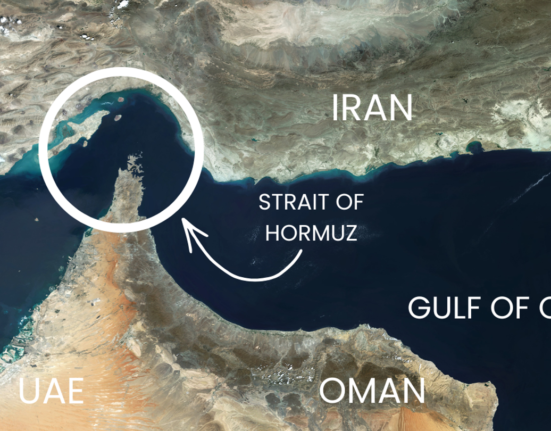
Shipping activity through the Strait of Hormuz remained severely restricted on Thursday despite the ceasefire, with movement largely stalled under new Iranian regulations. Reports indicate that Iran is allowing a maximum of 15 vessels per day, with ships required to seek prior clearance from military authorities before transiting.
According to Reuters, only limited traffic was recorded in the past 24 hours, including one oil products tanker, five dry bulk carriers, and two Iranian-flagged tankers navigating the strategic waterway.
Iranian Deputy Foreign Minister Saeed Khatibzadeh said the strait is technically open, but vessels must complete “necessary arrangements” with Iranian authorities to ensure safe passage. He also cited “technical restraints” following recent attacks, along with the narrow nature of the channel, as reasons for continued caution.
Officials and maritime communications have reinforced the requirement for prior permission, effectively keeping tight control over transit despite the ceasefire. Energy leaders have also raised concerns, with some arguing that conditional access amounts to restricted passage in practice.
The restrictions come even as the United States and Iran prepare for fresh talks in Islamabad, where key disagreements persist over sanctions, nuclear issues, and control of the Strait of Hormuz. Tehran has reportedly proposed a framework that could include fees on vessels passing through the route under a future agreement.
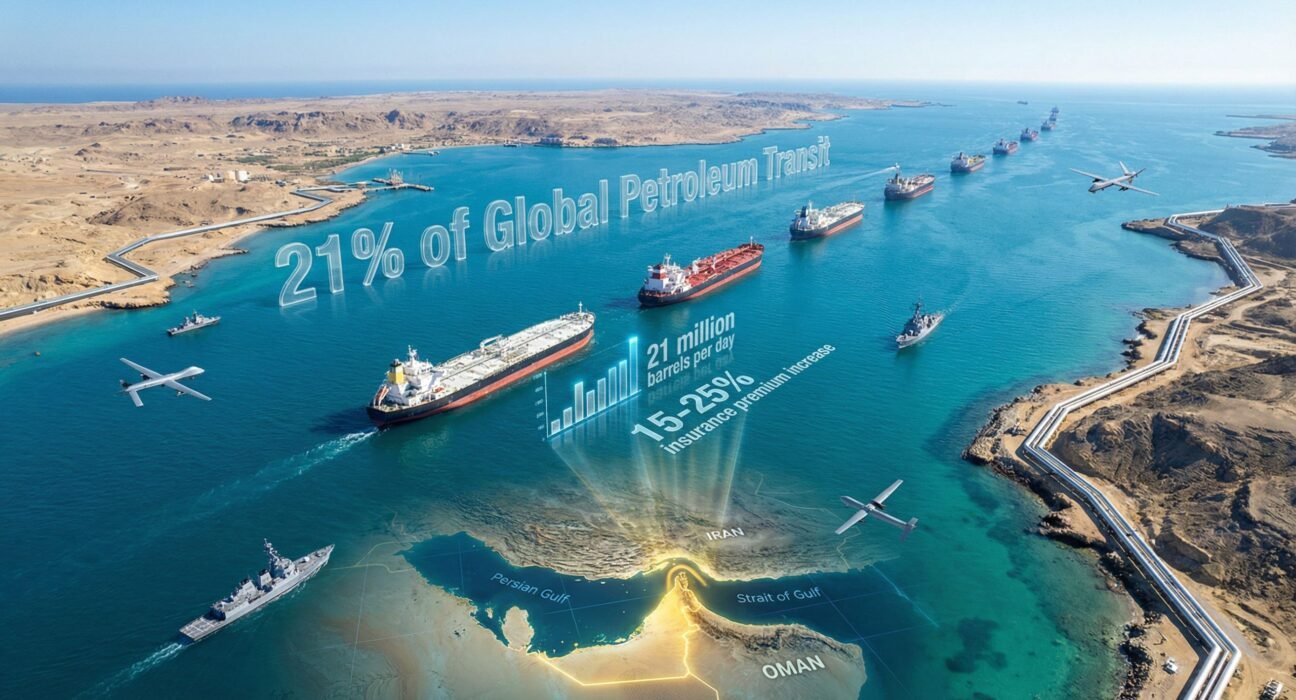
Meanwhile, oil prices climbed over 3 per cent amid the disruption, highlighting the global impact of constrained flows through one of the world’s most critical energy corridors. (Agency)