
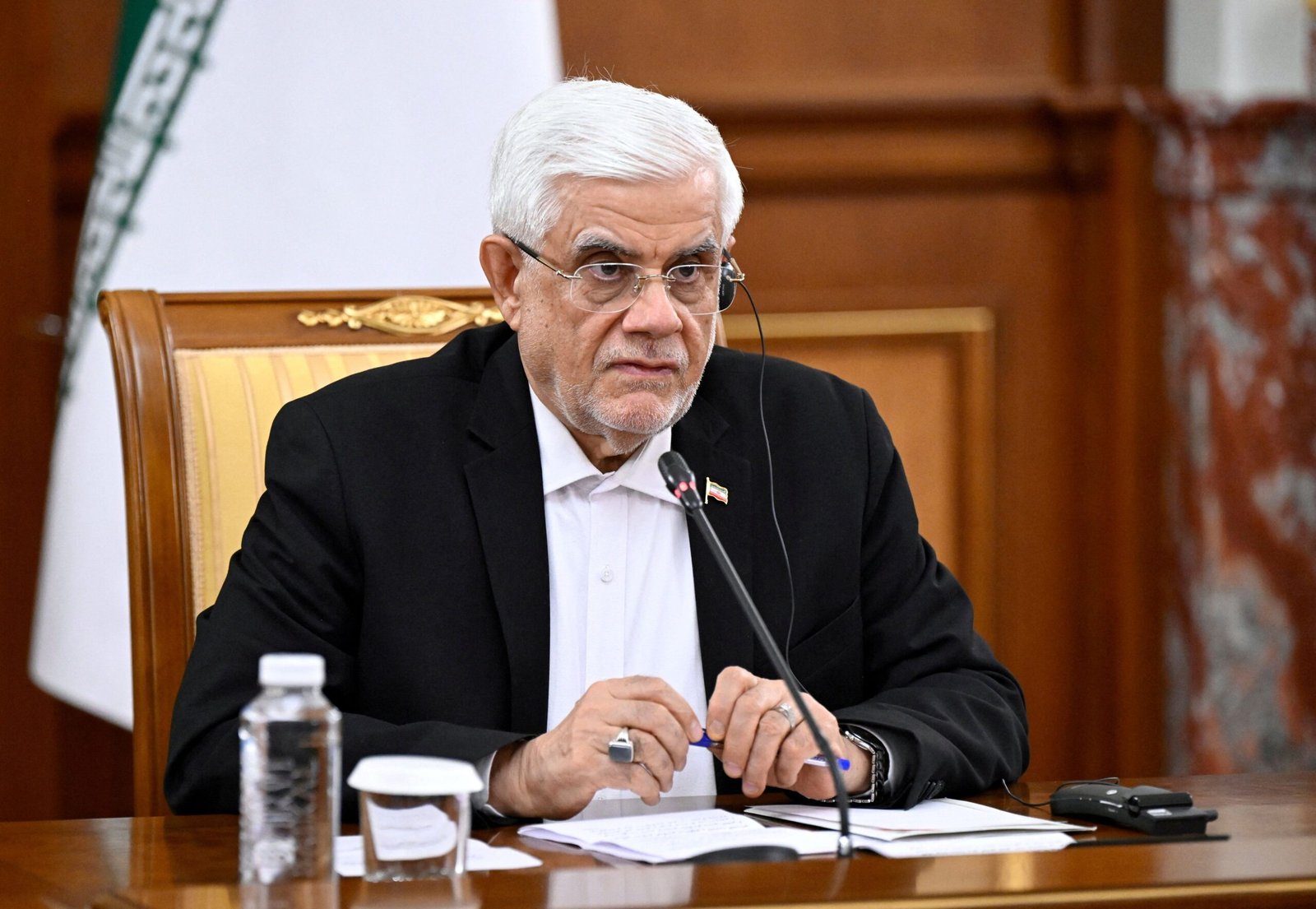
TEHRAN, Apr 20: Iran’s First Vice President Mohammad Reza Aref on Sunday warned that stability in the Strait of Hormuz comes at a cost, saying Iran cannot be expected to ensure maritime security while facing restrictions on its own oil exports amid escalating tensions with the United States.
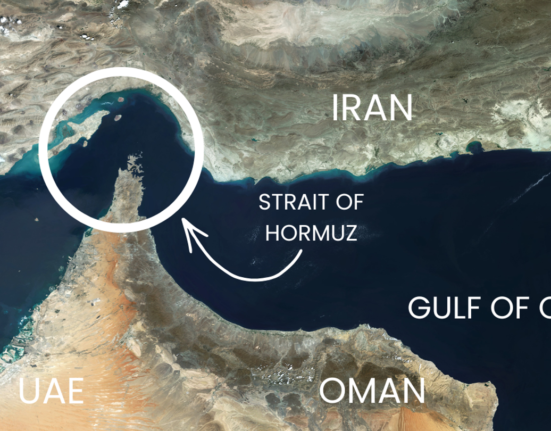
In a post on X, Aref said the security of the Strait of Hormuz is not free and that restricting Iran’s oil exports while expecting free security for others is not sustainable. He warned that continued pressure could have global consequences, particularly for energy markets.
He said the choice was between a free oil market for all or the risk of significant costs for everyone, adding that long-term stability in fuel prices depends on ending economic and military pressure on Iran and its allies.
The remarks come amid rising tensions following Iran’s claim that a US operation targeted an Iranian commercial vessel in the Gulf of Oman.
Iran’s Khatam al-Anbiya Central Headquarters accused the United States of violating a ceasefire and committing “maritime piracy,” alleging that the vessel had been seized. It warned of retaliation by Iran’s armed forces.
Meanwhile, the US Central Command said American forces intercepted and disabled an Iranian-flagged cargo vessel, Touska, in the Arabian Sea after it allegedly violated a US naval blockade.
It said the guided-missile destroyer USS Spruance fired rounds into the vessel’s engine room after repeated warnings were ignored, disabling its propulsion. US Marines later boarded the ship, which remains in American custody.
US President Donald Trump also said American forces had taken full custody of the vessel after it attempted to breach the blockade in the Gulf of Oman.
The developments underline growing tensions in the Strait of Hormuz, with Iran rejecting US claims about renewed negotiations and accusing Washington of escalating pressure through military and economic measures. (Agencies)
Leave feedback about this