
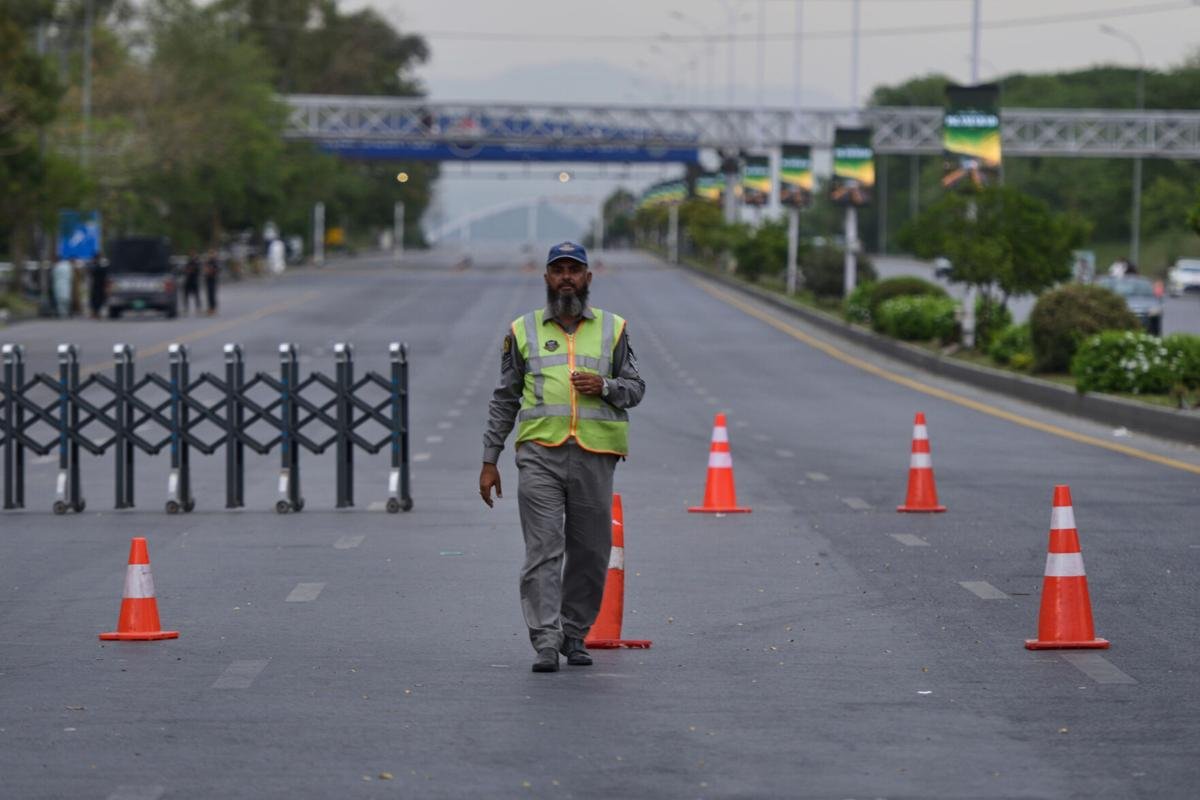
ISLAMABAD, Apr 25: US envoys are expected to travel to Pakistan on Saturday in a renewed diplomatic effort to revive ceasefire talks with Tehran, even as Iran has ruled out direct negotiations with American representatives as its top diplomat arrived in Islamabad.
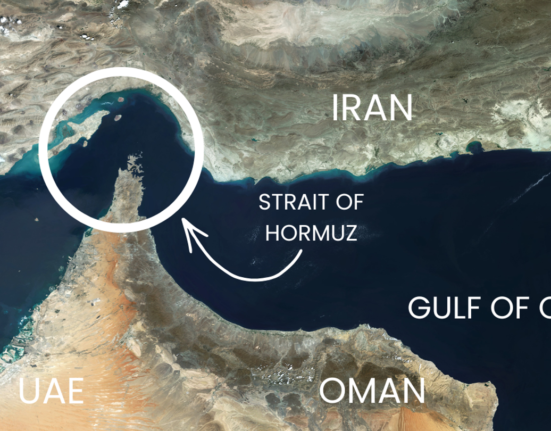
The latest initiative to advance a potential agreement comes amid an indefinite ceasefire that has paused most fighting, although economic repercussions continue to intensify, with global energy flows disrupted due to tensions around the Strait of Hormuz.
Pakistan has been attempting to bring US and Iranian officials back to negotiations after US President Donald Trump announced an extension of the ceasefire this week, following Islamabad’s request for additional time for diplomatic engagement.
The White House said Friday that Trump would send Steve Witkoff and Jared Kushner to meet Iranian Foreign Minister Abbas Araghchi. However, shortly after his arrival in Islamabad, Iran’s foreign ministry clarified that any discussions would remain indirect, with Pakistani officials acting as intermediaries.
Araghchi and the two US envoys had previously held indirect talks in Geneva on February 27 over Iran’s nuclear programme, but no agreement was reached. The following day, the conflict between Israel and Iran escalated.
White House Press Secretary Karoline Leavitt told Fox News that the president decided to send the envoys “to hear the Iranian position directly through diplomatic channels via Pakistan.”
She also said there had been “some progress from the Iranian side in recent days,” though she did not provide further details.
Separately, the White House announced that Trump had extended a 90-day waiver of the Jones Act, easing restrictions on non-US vessels transporting oil and gas, in an effort to stabilise energy markets amid global disruptions.
The ongoing tensions in the Strait of Hormuz, through which a significant portion of global oil trade passes, have already impacted energy supply chains and global shipping routes.
Oil prices have remained volatile, with Brent crude fluctuating between $103 and $107 per barrel—nearly 50% higher than pre-conflict levels.
The broader conflict has resulted in significant casualties across the region, with thousands reported dead in Iran and Lebanon, along with losses in Israel, Gulf states, and international peacekeeping forces.
The United Nations Interim Force in Lebanon (UNIFIL) confirmed the death of an Indonesian peacekeeper, bringing the total number of UN personnel killed since the escalation to six.
Meanwhile, tensions remain high in southern Lebanon despite ceasefire extensions between Israel and Hezbollah, with continued military activity reported on both sides.
Israeli Prime Minister Benjamin Netanyahu described ongoing diplomatic developments as part of “a process toward a historic peace between Israel and Lebanon.”
However, ground tensions continue, with fresh evacuation warnings issued in southern Lebanon and continued exchanges of fire reported in border areas. (Agency)


Leave feedback about this